studio

An independent research studio that makes films

Unparroted investigates the issues where people, planet and profit collide. We collect our own evidence, go to the places behind it, and publish every source alongside the film.

origin

Good research deserves a wider audience

For close to a decade, we have worked in research and consulting. We have studied things most people never look at closely: people who inject drugs, hydrogen cars, green steel, garment workers in Bangladesh, low carbon farming in India. That work was used by UN agencies, development banks, reinsurers and international organisations across Asia and Africa, and it regularly appeared in well recognised outlets.

What has changed is how people take in information. More of us now want the answer quickly, in a form we can watch, share and come back to. Long reports still matter, but they are no longer the only way to reach people, and often not the best one.

AI has changed our own work too. Collecting and analysing data that once took months now takes weeks. That leaves more time for the part that matters most: talking to people, testing what we find, and getting it in front of the people it affects.

So we are keeping the method and adding a new medium. Unparroted is where careful research meets the way people watch today. It began alongside our day jobs, and we are building it to grow into something much bigger.

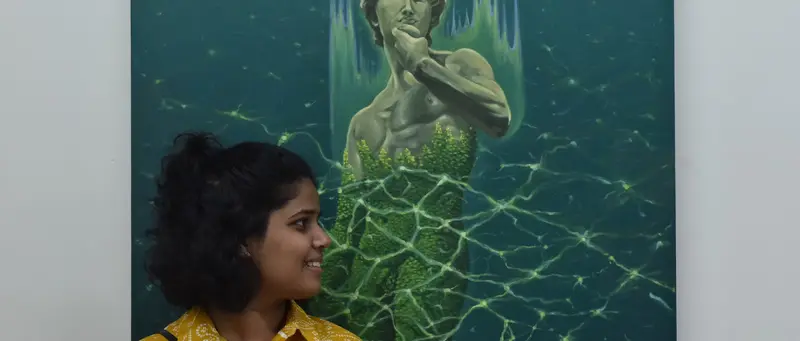
fig. 04 · the studio
A woman in a yellow shirt smiles beside a large painting of a figure wrapped in green light

method

Researched like a consultancy. Told like a film.

We spent close to a decade writing research for people who needed answers. The method stays. The format is what changes.

01data

We gather what is hard to gather.

Public posts, government records, company disclosures, local news in local languages. Most of it is messy and unstructured, the kind of material traditional surveys never reach. AI tools now let us collect and sort it at a scale that used to take a team months, from classifying thousands of long comments to tracking how public sentiment shifts over time. Then we test what we find, the slow and careful way.

fig. 01 · public sentiment on data centres, classified post by post (illustration)

02ground

We go where the story happens.

Numbers tell you that something changed. People tell you what it cost. We travel to the places behind the data and sit down with the people living it, with their consent and on their terms.

fig. 02 · field notes, Visakhapatnam (illustration)

03picture

We make the evidence impossible to ignore.

Every finding becomes a frame. Charts that build as you watch, documents you can lean into, voices you can hear. Engaging enough to finish, sharp enough to stay with you after.

fig. 03 · storyboard, film 01 (illustration)

Every film is published with its sources. All of them.

standards

How we keep it honest

  1. Every claim has a source.

    If we say it on screen, we can show you where it came from. The full list sits under every film.

  2. We show our working.

    When we build our own dataset, we explain how we collected it, what we left out and where it might be wrong.

  3. Corrections are public.

    When we get something wrong, we fix it and say so, on the film page and in the video description.

  4. Partners never touch the story.

    They fund the work. They do not see scripts before release, review findings or shape conclusions.

  5. People come first.

    Everyone we interview gives informed consent. We protect identities when asked, and we never trade someone's safety for a better shot.

  6. AI is a tool, not a source.

    We use AI to gather and sort material. Every fact that reaches the screen is checked by a person against the original.

people

The people behind it

portrait 01
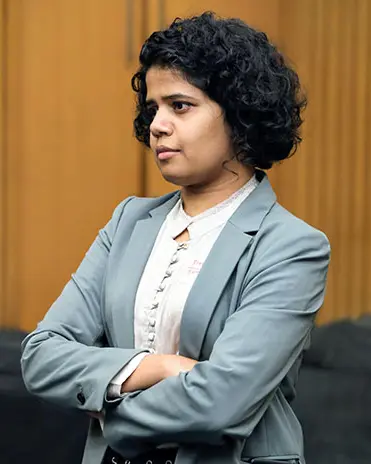
Siya R in a grey blazer with arms folded, looking to the side

Siya R

founder

Siya has spent more than six years producing evidence that shapes development programmes and policy, from designing studies to collecting data, analysing it and writing the final report. Data is where she is most at home, whether it arrives in neat tables or messy text, and she was early to bring AI tools such as retrieval systems and agents into evaluation work. Her research has spanned health, nutrition and gender across Asia and Africa. Away from the data, she plays music on cassette and vinyl, will happily drive for twelve hours straight, and says yes to almost anything she has not tried before.

portrait 02
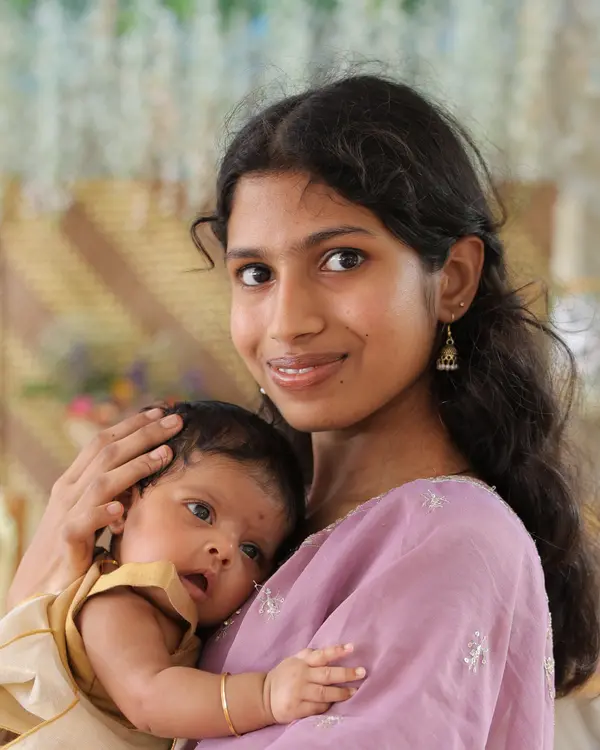
Nirupama S in a lilac sari, smiling and holding a baby

Nirupama S

intern, content delivery

Nirupama is an economics aspirant, currently exploring the economics of small and medium enterprises in Kerala. She is drawn to visual storytelling and helps shape how our research reaches the screen. See her work: [link to her portfolio]

Nikhil Udayabhanu smiling against a plain white wall

Nikhil Udayabhanu

contributor

Nikhil researches how the systems economies depend on can cut carbon and go digital. Before that he spent years as an impact consultant, designing low carbon solutions with development agencies across Asia and Africa.

Vinitha Ajit smiling, with curly hair and a mustard top

Vinitha Ajit

contributor

Vinitha works where decarbonisation, sustainability and digital systems meet. Her earlier work as a development consultant focused on climate resilient investment with international agencies across Asia and Africa.

Contributors take part in a personal capacity. Their views here are their own and not those of their employers.